When the Birds Go Nuts, Phoscrete is the Answer!

When the Birds Go Nuts, Phoscrete is the Answer!

Introduction
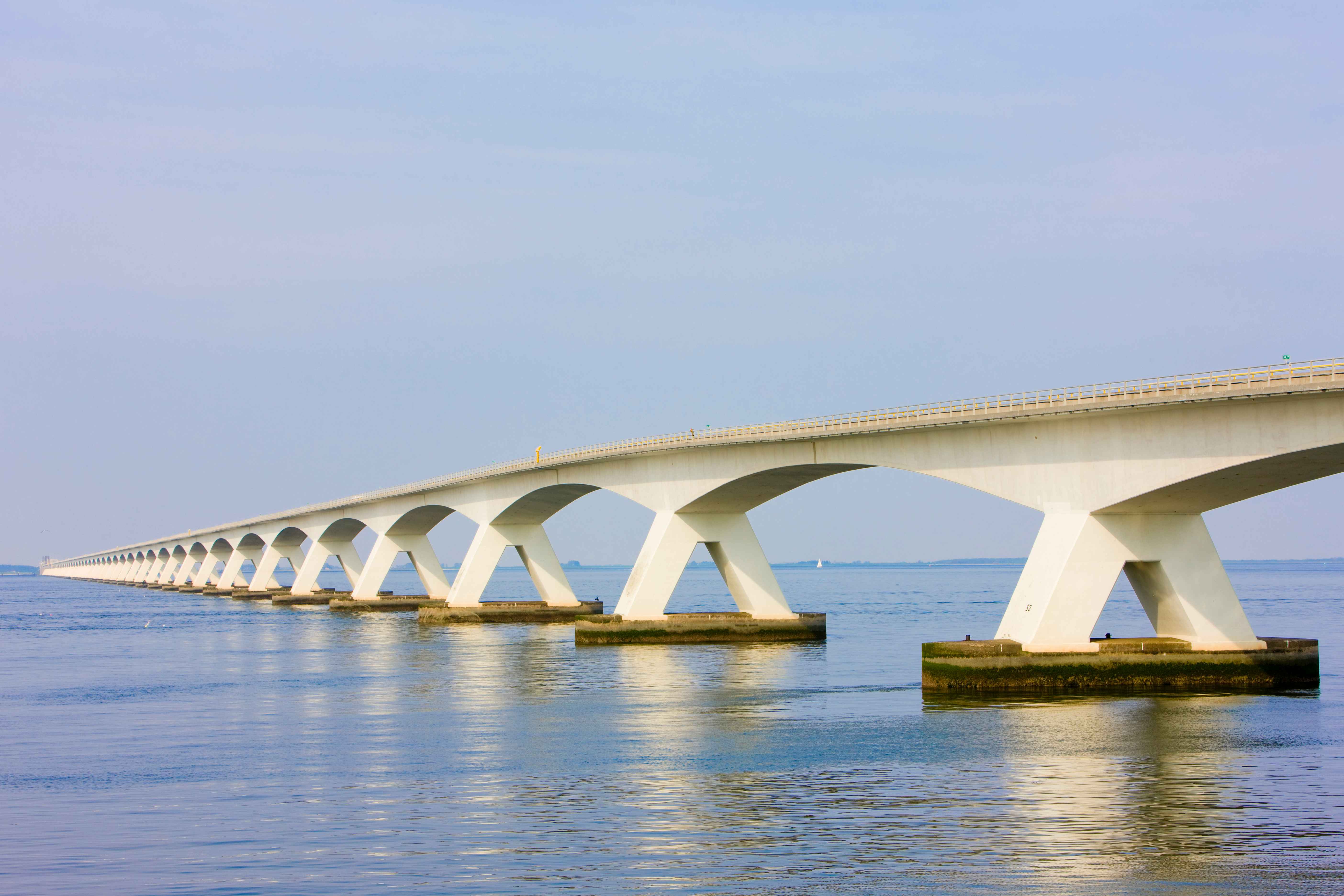
When spring fever arrives, the flowers are blooming, the birds are chirping, and they're also building nests in inconvenient places. Nesting season, can spell trouble for bridge maintenance engineers and contractors. Construction projects can be delayed when protective measures must be taken to preserve bird habitats. But don't worry—Phoscrete has you covered! Our concrete product works in cold temperatures and can help you complete your project on time.


It's common for bridge maintenance engineers and contractors to encounter delays due to bird nesting season. When a nest is found near a construction site, workers must cease operations until it’s determined whether the nest is active. If so, they must wait until either the eggs hatch or the nest is abandoned before they can continue working. Unfortunately, this can cause a significant delay in completing a project on time.


This is where Phoscrete comes in! Phoscrete works even in cold temperatures when nests are dormant, so there's no need to worry about delays caused by nesting season. Our concrete products set quickly and bond vigorously, even during cooler temperatures—perfect for those spring, fall and winter days when temperatures are still hovering around freezing. This means that you don't have to wait for warmer weather before continuing to work on your project; with Phoscrete, you can get started as soon as the birds fly the coop, or before they arrive!

Furthermore, our concrete product contains no volatile organic compounds (VOCs), making it both safe for birds and safer for workers exposed to it during construction. So, not only does Phoscrete help get the job done faster, it helps ensure everyone involved stays safe during the process.

Read More
Phoscrete is the concrete that is tougher than winter

Phoscrete MPC: Concrete that's Tougher than Winter

Introduction
If you've ever overseen bridge maintenance, you know one thing for sure—winter weather can wreak havoc on a bridge. Every year, winter storms cause massive damage to bridges across the United States and Canada, leaving them weakened and potentially structurally unsound. But what if there was a way to make bridges more resistant to winter weather?  Enter Phoscrete MPC concrete—the concrete that's tougher than winter!

Read More
the crazy strong bond of phoscrete

The Crazy Strong Bond of Phoscrete MPC Concrete

Introduction
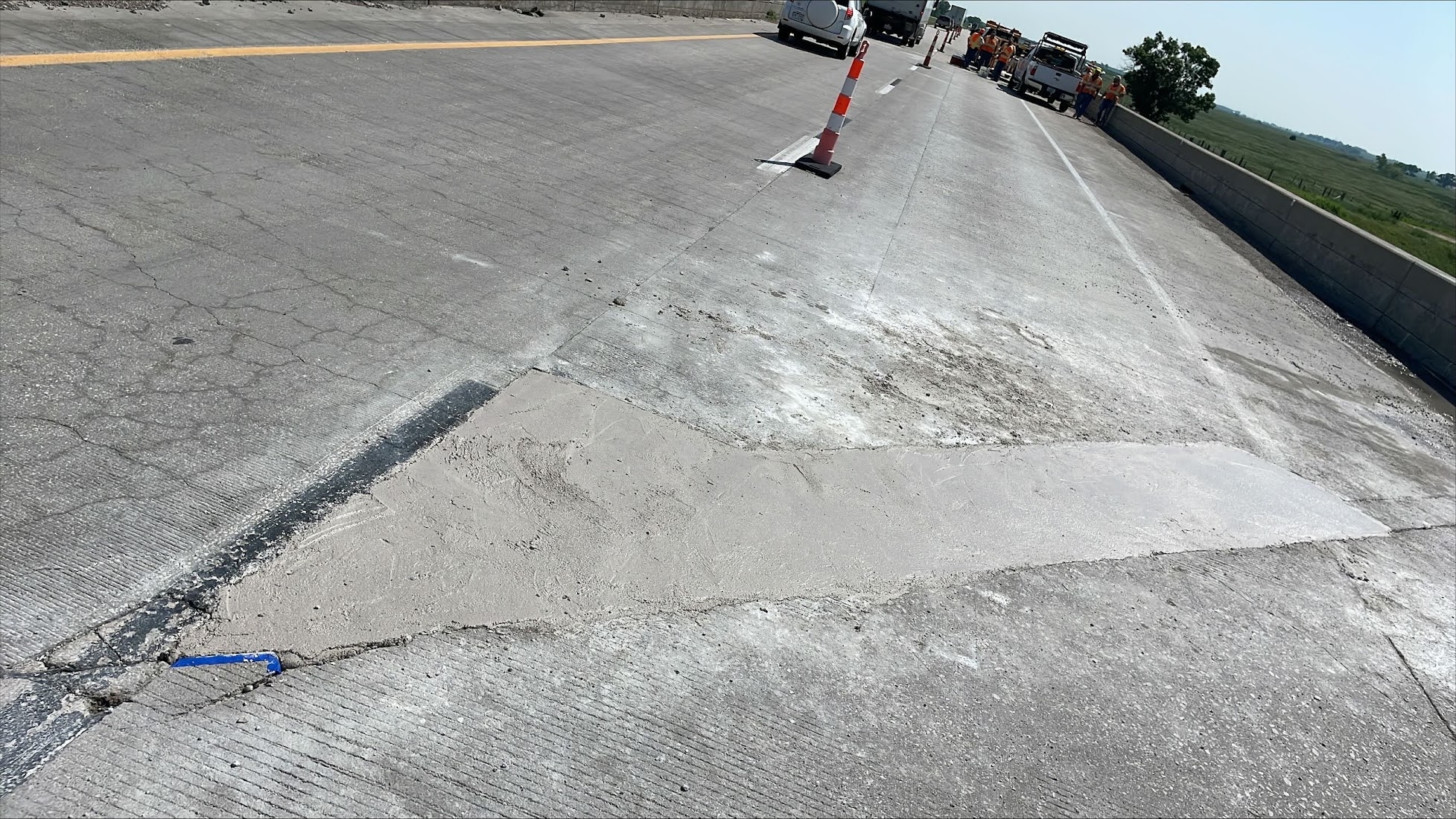
As a bridge maintenance professional, you know that there are many different materials and methods for repairing bridges. But have you ever heard of Phoscrete MPC? It's a new concrete material with an incredibly strong bond—so strong, in fact, that it's almost like magic! Let's take a look at why this new material is so compelling.

Read More
Keeping Yourself Safe from Silica Dust During Bridge Concrete Repair

Keep Safe from Silica Dust During Bridge Concrete Repair

Introduction
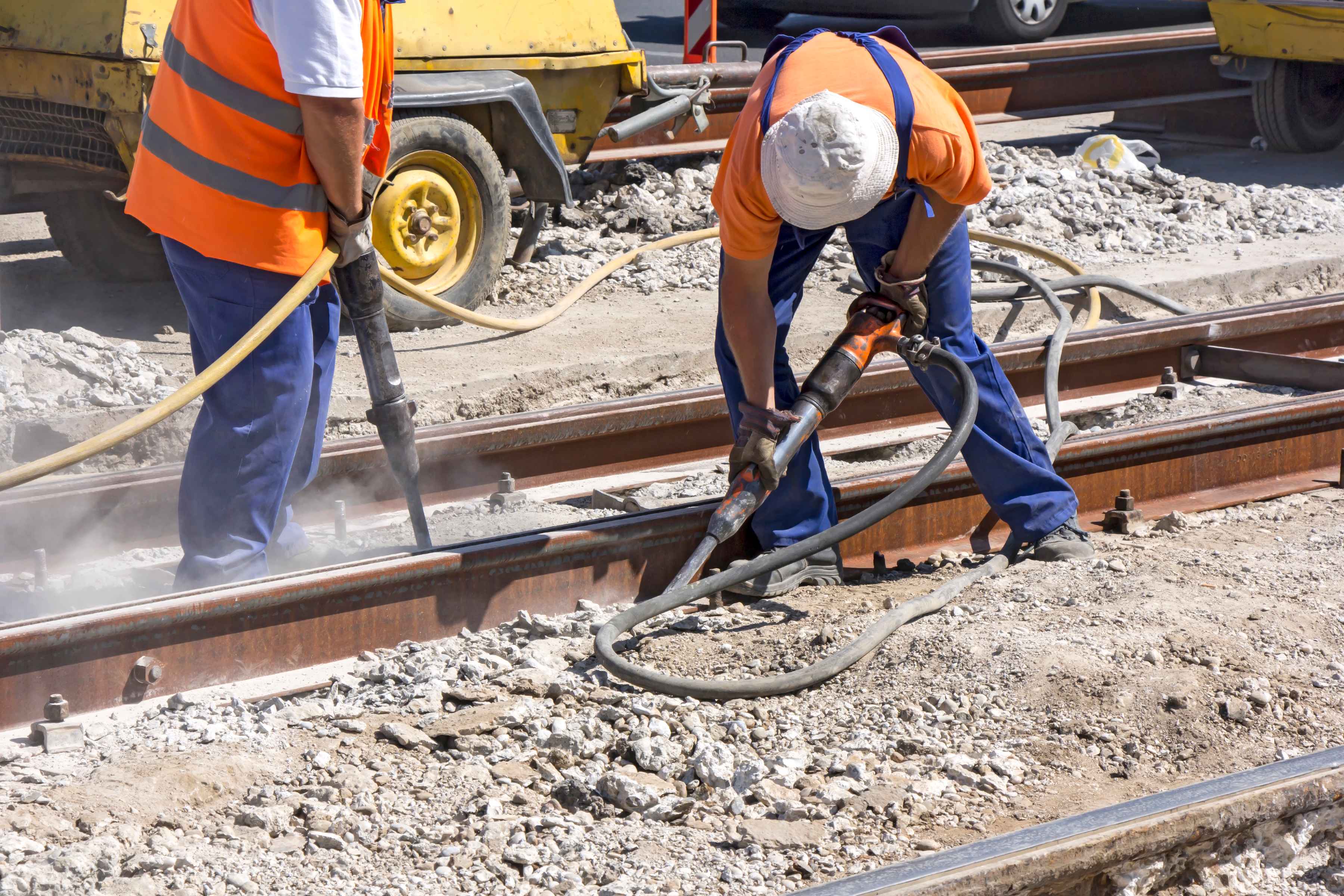
Performing concrete repairs can be a dangerous job, especially if you’re dealing with silica dust. Silica dust is an exceptionally fine and hazardous material that can cause serious health issues over time. Fortunately, there are steps you can take to protect yourself while repairing concrete. Let’s explore some of the ways you can stay safe while performing these important tasks.

Read More
0% More Safety with Phoscrete Bridge Repairs

50% More Safety with Phoscrete Bridge Repairs

Introduction
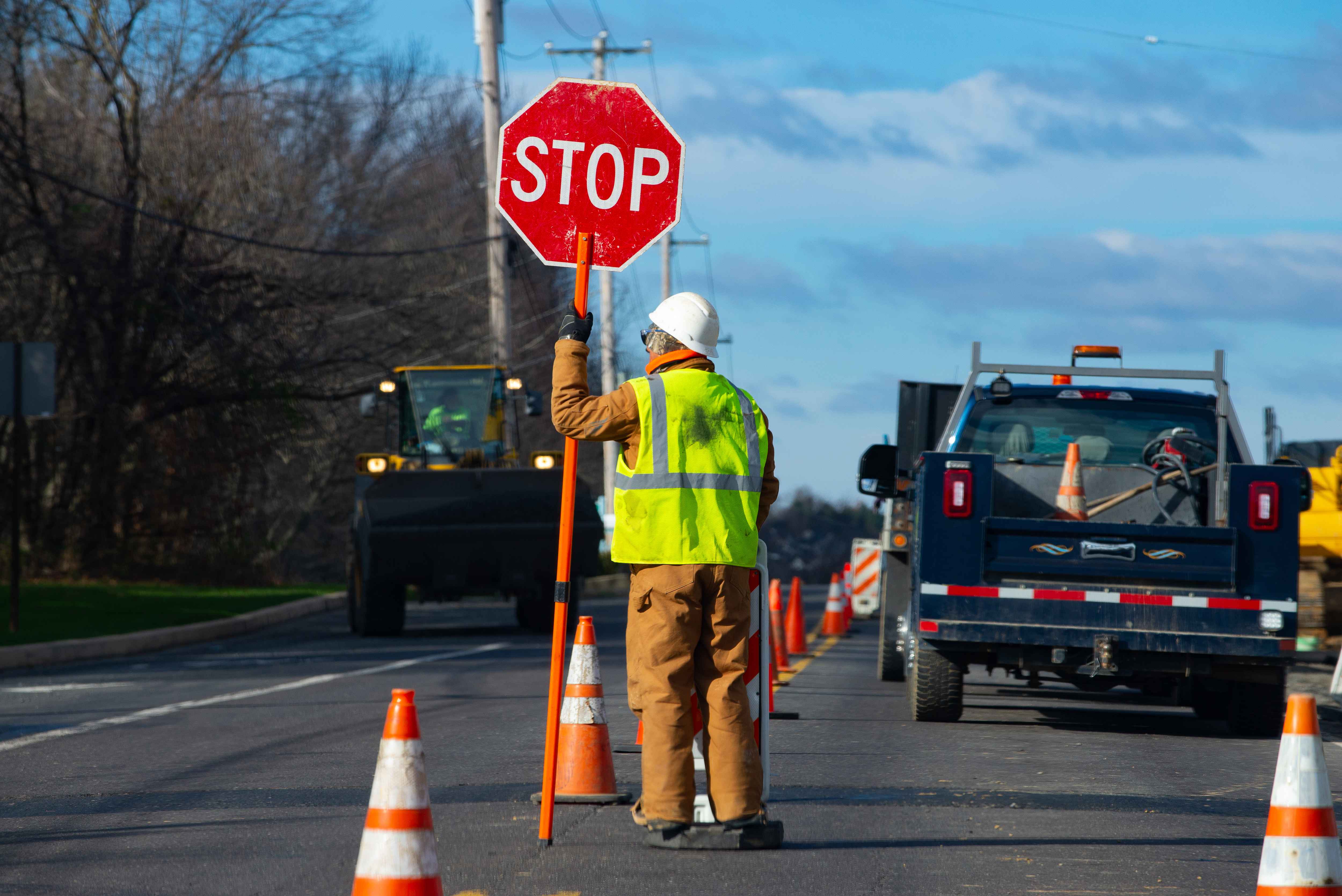
Working on and around bridges can be dangerous. Heavy traffic, hazardous and slippery conditions, and the potential for vehicular accidents are always threats. But it doesn’t have to be that way! Phoscrete concrete bridge repairs can dramatically reduce the likelihood of worker injury from traffic accidents by up to 50%. Let’s learn more about why Phoscrete is such an effective safety solution for bridge maintenance.

Read More

The Great Irony of Rebar Rusting in Concrete

Introduction
If you’re a bridge maintenance professional, you know the meaning of irony. Installing rebar in concrete to reinforce it is one of the most important steps in building bridges, yet ironically, it can also lead to corrosion and concrete spalling. So, what gives? Why does rebar rust in concrete?

Read More